
The Psychology Behind Casino Game Design: How Casinos Keep You Playing
Casino game design is a complex field that combines psychology, neuroscience, and engineering to create an engaging and often addictive experience for players. The goal of casino game designers is to create games that are both fun and profitable for the casino. To achieve this, they use various psychological techniques to keep players engaged and spending money. For example, casinos like crownz casino use a variety of games and promotions to attract and retain players.
One of the key techniques used in casino game design is operant conditioning, which is a method of learning that occurs through rewards and punishments. This technique was first discovered by psychologist B.F. Skinner in the 1950s and is still widely used today. In the context of casino games, operant conditioning is used to create a schedule of rewards that keeps players engaged and motivated to continue playing.
The Science of Reward: Operant Conditioning and Dopamine
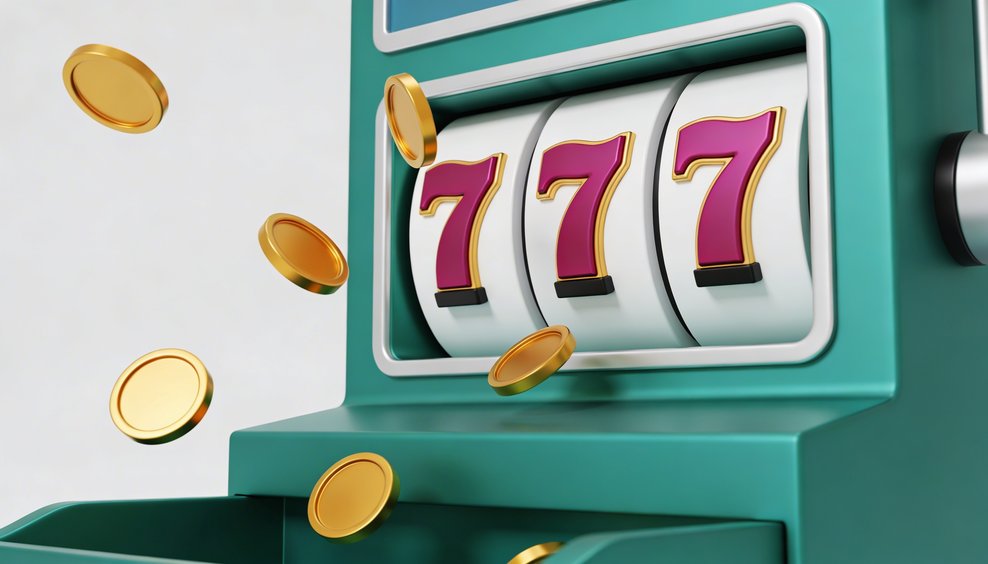
Operant conditioning is based on the idea that behavior is modified by its consequences. In the case of casino games, the consequences are usually rewards in the form of money or other prizes. The schedule of rewards is carefully designed to keep players engaged and motivated to continue playing. For example, slot machines use a variable ratio schedule, which means that the reward is delivered at unpredictable intervals. This creates a sense of anticipation and excitement, as players never know when they will win.
The use of operant conditioning in casino game design is closely tied to the release of dopamine in the brain. Dopamine is a neurotransmitter that plays a key role in motivation and pleasure. When players experience a win, their brain releases dopamine, which creates a feeling of pleasure and satisfaction. This can lead to a cycle of addiction, as players become motivated to continue playing in order to experience the feeling of pleasure and satisfaction associated with winning.
Variable Ratio Schedules: The Power of Uncertainty
Variable ratio schedules are a key component of operant conditioning in casino game design. This type of schedule delivers rewards at unpredictable intervals, which creates a sense of anticipation and excitement. Players never know when they will win, which keeps them engaged and motivated to continue playing. For example, a slot machine may deliver a reward after 10 spins, but then not deliver another reward for 50 spins. This creates a sense of uncertainty and anticipation, as players never know when they will win.
The use of variable ratio schedules in casino game design is closely tied to the concept of the “near-miss” effect. The near-miss effect refers to the phenomenon where players experience a sense of excitement and anticipation when they come close to winning, but do not actually win. For example, a player may spin a slot machine and get two out of three symbols in a row, which creates a sense of excitement and anticipation. This can lead to a cycle of addiction, as players become motivated to continue playing in order to experience the feeling of excitement and anticipation associated with coming close to winning.
The Near-Miss Effect: Why Almost Winning Triggers the Brain
The near-miss effect is a powerful tool in casino game design, as it creates a sense of excitement and anticipation in players. When players experience a near-miss, their brain releases dopamine, which creates a feeling of pleasure and satisfaction. This can lead to a cycle of addiction, as players become motivated to continue playing in order to experience the feeling of pleasure and satisfaction associated with coming close to winning.
The near-miss effect is often used in combination with other techniques, such as the use of bright colors and loud noises, to create a sense of excitement and anticipation. For example, a slot machine may use flashing lights and loud music to create a sense of excitement and anticipation when a player comes close to winning.
Dopamine Spikes and the “High” of the Spin
Dopamine spikes are a key component of the near-miss effect, as they create a feeling of pleasure and satisfaction in players. When players experience a win, their brain releases dopamine, which creates a feeling of pleasure and satisfaction. This can lead to a cycle of addiction, as players become motivated to continue playing in order to experience the feeling of pleasure and satisfaction associated with winning.
The use of dopamine spikes in casino game design is closely tied to the concept of the “high” of the spin. The high of the spin refers to the feeling of excitement and anticipation that players experience when they spin a slot machine or play a game of chance. This feeling is often accompanied by a release of dopamine, which creates a feeling of pleasure and satisfaction.
| Slot Machines | Operant Conditioning | Variable Ratio Reinforcement | Continuous, rapid-fire play |
| Blackjack | Illusion of Control | Decision-making (Hit/Stand) | Increased confidence and “skill” perception |
| Roulette | Gambler’s Fallacy | History Boards (Hot/Cold numbers) | Betting based on perceived patterns |
| Video Poker | Near-Miss Effect | One card away from a Royal Flush | “Just one more” mentality to close the gap |
Sensory Overload: How Sight and Sound Influence Behavior
Casino game design often involves the use of sensory overload to create a sense of excitement and anticipation. This can include the use of bright colors, loud noises, and flashing lights to create a sense of energy and excitement. For example, a slot machine may use flashing lights and loud music to create a sense of excitement and anticipation when a player comes close to winning.
The use of sensory overload in casino game design is closely tied to the concept of the “C major” success. The C major success refers to the use of harmonious sounds and music to create a sense of pleasure and satisfaction. For example, a slot machine may use a harmonious soundtrack to create a sense of pleasure and satisfaction when a player wins.
The “C Major” Success: Why Slot Machines Sound Harmonious
The use of harmonious sounds and music in casino game design is a key component of the C major success. This can include the use of harmonious soundtracks, sound effects, and music to create a sense of pleasure and satisfaction. For example, a slot machine may use a harmonious soundtrack to create a sense of pleasure and satisfaction when a player wins.
The use of harmonious sounds and music in casino game design is closely tied to the concept of the “Mozart effect”. The Mozart effect refers to the phenomenon where listening to classical music can improve cognitive function and boost mood. This can include the use of classical music, nature sounds, and other types of music to create a sense of relaxation and calm.
Visual Cues: The Strategic Use of Red, Gold, and Flashing Lights
Visual cues are a key component of casino game design, as they can create a sense of excitement and anticipation. This can include the use of bright colors, flashing lights, and other types of visual cues to create a sense of energy and excitement. For example, a slot machine may use flashing lights and loud music to create a sense of excitement and anticipation when a player comes close to winning.
The use of visual cues in casino game design is closely tied to the concept of the “stop” signal. The stop signal refers to the phenomenon where players stop playing when they experience a loss or a near-miss. This can include the use of visual cues, such as flashing lights and loud music, to create a sense of excitement and anticipation and encourage players to continue playing.
Removing the “Stop” Signal: The Absence of Clocks and Windows
The absence of clocks and windows in casinos is a key component of casino game design, as it can create a sense of timelessness and disorientation. This can include the use of dim lighting, comfortable seating, and other types of design elements to create a sense of relaxation and calm. For example, a casino may use dim lighting and comfortable seating to create a sense of relaxation and calm, which can encourage players to continue playing.
The use of the absence of clocks and windows in casino game design is closely tied to the concept of the “flow state”. The flow state refers to the phenomenon where players become fully engaged and immersed in a game, which can create a sense of excitement and anticipation. This can include the use of design elements, such as comfortable seating and dim lighting, to create a sense of relaxation and calm, which can encourage players to enter a flow state.
Engineering the “Flow State”: Designing for Total Immersion
The flow state is a key component of casino game design, as it can create a sense of excitement and anticipation. This can include the use of design elements, such as comfortable seating and dim lighting, to create a sense of relaxation and calm, which can encourage players to enter a flow state.
The use of the flow state in casino game design is closely tied to the concept of “frictionless play”. Frictionless play refers to the phenomenon where players can play games without any obstacles or interruptions, which can create a sense of excitement and anticipation. For example, a casino may use a ticket-in ticket-out system to create a sense of frictionless play, which can encourage players to continue playing.
Frictionless Play: The Evolution from Coins to TITO (Ticket-In, Ticket-Out)
The evolution from coins to TITO is a key component of casino game design, as it can create a sense of frictionless play. This can include the use of ticket-in ticket-out systems, which can create a sense of convenience and ease, which can encourage players to continue playing.
The use of TITO in casino game design is closely tied to the concept of “ergonomics and comfort”. Ergonomics and comfort refer to the design elements, such as comfortable seating and dim lighting, which can create a sense of relaxation and calm, which can encourage players to enter a flow state.
Ergonomics and Comfort: The “Zoning” of Modern Casino Floors
The zoning of modern casino floors is a key component of casino game design, as it can create a sense of relaxation and calm. This can include the use of design elements, such as comfortable seating and dim lighting, to create a sense of relaxation and calm, which can encourage players to enter a flow state.
The use of zoning in casino game design is closely tied to the concept of “speed of play”. Speed of play refers to the phenomenon where players can play games quickly and efficiently, which can create a sense of excitement and anticipation. For example, a casino may use a fast-paced game, such as a slot machine, to create a sense of speed of play, which can encourage players to continue playing.
Speed of Play: Why Faster Rounds Lead to Higher Retention
The speed of play is a key component of casino game design, as it can create a sense of excitement and anticipation. This can include the use of fast-paced games, such as slot machines, to create a sense of speed of play, which can encourage players to continue playing.
The use of speed of play in casino game design is closely tied to the concept of “losses disguised as wins” (LDWs). LDWs refer to the phenomenon where players experience a sense of pleasure and satisfaction when they win, even if they have actually lost money. For example, a slot machine may use a celebratory soundtrack and flashing lights to create a sense of pleasure and satisfaction when a player wins, even if they have actually lost money.
Losses Disguised as Wins (LDWs) and Cognitive Biases
LDWs are a key component of casino game design, as they can create a sense of pleasure and satisfaction in players. This can include the use of celebratory soundtracks and flashing lights to create a sense of pleasure and satisfaction when a player wins, even if they have actually lost money.
The use of LDWs in casino game design is closely tied to the concept of cognitive biases. Cognitive biases refer to the phenomenon where players make irrational decisions based on their emotions and perceptions, rather than objective reality. For example, a player may experience a sense of pleasure and satisfaction when they win, even if they have actually lost money, due to the use of LDWs.
The Mathematics of Deception: Celebrating a Loss
The mathematics of deception is a key component of casino game design, as it can create a sense of pleasure and satisfaction in players. This can include the use of LDWs to create a sense of pleasure and satisfaction when a player wins, even if they have actually lost money.
The use of the mathematics of deception in casino game design is closely tied to the concept of the “illusion of control”. The illusion of control refers to the phenomenon where players believe they have control over the outcome of a game, even if they do not. For example, a player may believe they have control over the outcome of a slot machine, even if the outcome is actually determined by a random number generator.
The Illusion of Control in Skill-Based Casino Games
The illusion of control is a key component of casino game design, as it can create a sense of pleasure and satisfaction in players. This can include the use of skill-based games, such as blackjack, to create a sense of control and agency in players.
The use of the illusion of control in casino game design is closely tied to the concept of the “availability heuristic”. The availability heuristic refers to the phenomenon where players overestimate the importance or likelihood of information that is readily available, rather than objective reality. For example, a player may overestimate the likelihood of winning a jackpot because they have recently seen someone else win a jackpot.
Availability Heuristic: Why We Overestimate the Chance of Jackpots
The availability heuristic is a key component of casino game design, as it can create a sense of pleasure and satisfaction in players. This can include the use of jackpots and other types of prizes to create a sense of excitement and anticipation.
The use of the availability heuristic in casino game design is closely tied to the concept of responsible gambling. Responsible gambling refers to the phenomenon where players gamble in a responsible and sustainable way, without experiencing harm or negative consequences. For example, a casino may use responsible gambling measures, such as deposit limits and self-exclusion programs, to encourage players to gamble responsibly.
The Ethics of Design and Responsible Gambling
Responsible gambling is a key component of casino game design, as it can create a sense of safety and security in players. This can include the use of responsible gambling measures, such as deposit limits and self-exclusion programs, to encourage players to gamble responsibly.
The use of responsible gambling in casino game design is closely tied to the concept of safety features in modern game software. Safety features refer to the design elements, such as deposit limits and self-exclusion programs, which can create a sense of safety and security in players. For example, a casino may use safety features, such as deposit limits and self-exclusion programs, to encourage players to gamble responsibly.
Incorporating Safety Features in Modern Game Software
The incorporation of safety features in modern game software is a key component of casino game design, as it can create a sense of safety and security in players. This can include the use of deposit limits, self-exclusion programs, and other types of safety features to encourage players to gamble responsibly.
The use of safety features in casino game design is closely tied to the concept of the role of AI in identifying problem gambling patterns. AI refers to the use of artificial intelligence and machine learning algorithms to identify and prevent problem gambling patterns. For example, a casino may use AI to identify players who are exhibiting problem gambling behavior, such as betting more than they can afford to lose, and provide them with support and resources to help them gamble responsibly.
The Role of AI in Identifying Problem Gambling Patterns
The role of AI in identifying problem gambling patterns is a key component of casino game design, as it can create a sense of safety and security in players. This can include the use of AI and machine learning algorithms to identify and prevent problem gambling patterns, such as betting more than they can afford to lose.
The use of AI in casino game design is closely tied to the concept of the author, Julian Thorne, who has over 15 years of experience studying consumer behavior within the gambling industry, focusing on the intersection of cognitive neuroscience and digital interface design.
Author
Julian Thorne is a senior behavioral analyst and gaming consultant with over 15 years of experience studying consumer behavior within the gambling industry. His work focuses on the intersection of cognitive neuroscience and digital interface design, and he has written extensively on the topic of casino game design and responsible gambling.
FAQ
What is “Losses Disguised as Wins” in slot design?
Losses disguised as wins (LDWs) refer to the phenomenon where players experience a sense of pleasure and satisfaction when they win, even if they have actually lost money. This can include the use of celebratory soundtracks and flashing lights to create a sense of pleasure and satisfaction when a player wins, even if they have actually lost money.
Why don’t casinos have clocks or windows?
Casinos often do not have clocks or windows in order to create a sense of timelessness and disorientation. This can include the use of dim lighting, comfortable seating, and other types of design elements to create a sense of relaxation and calm, which can encourage players to continue playing.
How do “near-misses” affect the human brain?
Near-misses can affect the human brain by creating a sense of excitement and anticipation. This can include the use of flashing lights and loud music to create a sense of excitement and anticipation when a player comes close to winning.
Is casino game design different for online vs. land-based casinos?
Yes, casino game design can be different for online vs. land-based casinos. Online casinos may use different design elements, such as animations and sound effects, to create a sense of excitement and anticipation. Land-based casinos, on the other hand, may use different design elements, such as comfortable seating and dim lighting, to create a sense of relaxation and calm.
What is the “Skinner Box” and how does it relate to gambling?
The Skinner Box refers to a device used in psychology experiments to study operant conditioning. It is a box that delivers rewards, such as food or money, at unpredictable intervals, which can create a sense of anticipation and excitement. The Skinner Box is often used as a metaphor for slot machines and other types of gambling games, which use operant conditioning to create a sense of excitement and anticipation in players.